
Philippine Coffee Sector Tackles "Living Income" Challenge
Share
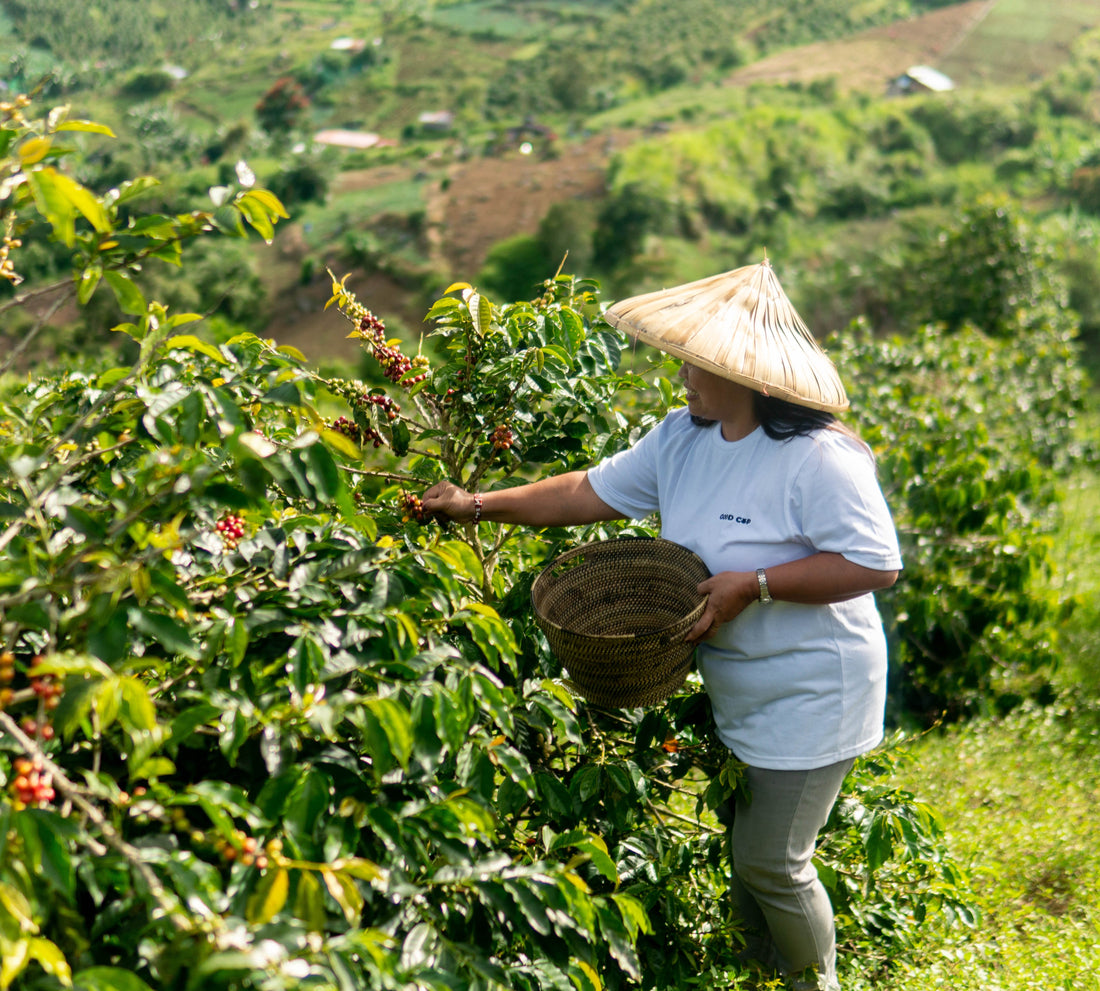
The Philippine coffee sector is currently facing a significant challenge in ensuring that coffee farmers receive a "living income" for their hard work. This challenge has brought together various stakeholders in the industry to find sustainable solutions.
What is a "living income"?
A "living income" is the amount of money needed for a worker to cover their basic needs, such as food, housing, healthcare, and education, as well as some discretionary income for unexpected expenses. In the context of the coffee sector, it is crucial for farmers to earn a living income to support themselves and their families.
Why is this a challenge in the Philippine coffee sector?
In the Philippine coffee sector, many farmers struggle to earn a living income due to various factors, including low productivity, lack of access to resources and technology, volatile market prices, and climate change impacts. As a result, many coffee farmers live in poverty and face food insecurity.
What are the initiatives being taken to address this challenge?
Various initiatives are being implemented to help coffee farmers in the Philippines achieve a living income. These include providing training and capacity building to improve productivity, promoting sustainable farming practices, establishing direct trade relationships to ensure fair prices, and supporting farmers in accessing financial services.
How can consumers support the Philippine coffee sector?
Consumers can play a crucial role in supporting the Philippine coffee sector by choosing to purchase coffee that is sourced ethically and sustainably. By buying coffee from companies that prioritize fair trade practices and support initiatives to improve the livelihoods of coffee farmers, consumers can contribute to the goal of ensuring a living income for all those involved in the coffee supply chain.
Overall, the Philippine coffee sector is actively working towards addressing the "living income" challenge to create a more sustainable and equitable coffee industry. By raising awareness, implementing initiatives, and fostering collaboration among stakeholders, the sector is moving closer to ensuring that coffee farmers receive the compensation they deserve for their hard work.